

Are European Christmas markets worth it? This is the question I asked myself before booking flights to Europe. After visiting Vienna, Budapest, Prague, and Ljubljana, here’s my honest answer: absolutely, they’re worth it. The best European Christmas markets offer something you can’t replicate anywhere else. Not just holiday shopping, but authentic traditions, regional crafts, and an atmosphere that makes winter in Europe magical.
I’ve visited Christmas markets across Europe, from Vienna’s grand Christkindlmarkt to Budapest’s Advent Feast by the Basilica, and each one captures the holiday spirit in ways you won’t find anywhere else. Here’s why these markets rank among the best and why you should visit at least once.
Ready to start planning your trip? My complete European Christmas markets guide covers everything from choosing cities to booking accommodations and creating your itinerary.
Disclosure: This article contains referral links to various services. If you click on these links and make a purchase, I may earn a commission or earn points or miles at no additional cost to you. These referral links help support the maintenance of this site and the creation of content. I only recommend products or services that I genuinely believe will be of value to my readers. Your support through these links is greatly appreciated.
For more information on the privacy policy, please make sure to click HERE.
What Makes European Christmas Markets Worth Visiting
The best European Christmas markets share something that sets them apart: deep historical roots that date back centuries. Dresden’s Striezelmarkt began in 1434, making it nearly 600 years old. Vienna’s market traces back even further to 1296, while Bautzen, Germany’s market started in 1384.
These weren’t always the festive celebrations we know today. Early markets were seasonal fairs where butchers and artisans sold goods for winter. Over time, they evolved into Christmas traditions filled with handmade crafts, festive foods, and local customs that reflect each region’s unique heritage.
Today, good European Christmas markets maintain this connection to tradition while welcoming visitors from around the world. Countries like Germany, Austria, Belgium, Czech Republic, and Spain each host markets with distinct character. What ties them together is the warmth of community, celebration of local culture, and the spirit of giving.
During my December trip to Vienna, I watched locals greet vendors by name and families return to the same stalls year after year. That sense of continuity and tradition is what separates these markets from typical holiday shopping experiences. If you’re still wondering are European Christmas markets worth it, this historical authenticity is a big part of the answer.
A Feast for the Senses: Why Christmas Markets Are Worth the Trip
The moment you step into one of the best European Christmas markets, your senses come alive. The aroma of glühwein simmering in large pots, spiced with cinnamon and cloves, greets you first. A mug costs around €4-6, and most markets let you keep the ceramic mug as a souvenir if you pay a small deposit.
Freshly baked gingerbread cookies fill the air with holiday nostalgia. Every market offers local delicacies: German bratwurst, Austrian pretzels, Czech trdelník (a rolled pastry coated in sugar and cinnamon). The food alone is worth the trip.
The sounds add to the atmosphere. Christmas carolers, local bands, and the chatter of vendors create a welcoming environment. Market stalls are decorated with festive ornaments, and twinkling lights overhead transform even the coldest winter night into something magical.
Spending time browsing the stalls is different from typical American mall shopping. Most markets feature handmade crafts, artisan goods, and gifts you won’t find in chain stores. These are locally made products with deep connections to the region.
In Prague and Vienna, you’ll find delicate crystal Christmas ornaments. In Bruges, Belgian lace and chocolates that can’t be found anywhere else. In Budapest, a woodcarver shaped figurines by hand. These live demonstrations make the experience immersive beyond just shopping.
The Festive Atmosphere: Why They’re Worth It
The magic isn’t just in the sights and smells. The overall atmosphere makes the best European Christmas markets unforgettable. Each city’s market has its own ambiance, influenced by culture, history, and architecture. No matter where you go, the feeling of warmth, community, and joy is palpable.
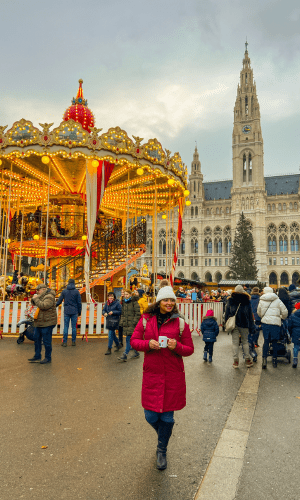
Vienna’s market is set against the backdrop of the grand Rathaus (City Hall). Twinkling lights drape across the towering Christmas tree, while a beautiful carousel offers visitors a chance to embrace the Christmas spirit. When I stood in Rathausplatz on a December evening, the combination of the illuminated City Hall and festive decorations felt like stepping into a winter wonderland.
Ljubljana’s Christmas market winds along the Ljubljanica River. Baroque architecture and bridges glow under festive lights. The market feels magical, like a holiday fairy tale where each turn offers cozy corners filled with cheer. Locals and visitors come together to enjoy warm drinks and celebrate. The atmosphere encourages you to slow down, savor the moment, and embrace the festive spirit of the season.
Most markets run from late November through Christmas Eve, though some stay open until New Year’s. Experiencing this atmosphere firsthand is why the answer to ‘are European Christmas markets worth it’ is a resounding yes. The best time to visit is early December when crowds are smaller but decorations are already up. Late November can feel rushed as markets are just opening, while the week before Christmas gets packed with locals doing last-minute shopping.

In Ljubljana, Slovenia’s capital, the Christmas market winds along the beautiful Ljubljanica River, with Baroque architecture and bridges glowing under festive lights. The market feels magical, like stepping into a holiday fairy tale, where each turn offers cozy corners filled with cheer. It’s more than a place to visit—it’s an experience. Locals and visitors come together to enjoy warm drinks, and celebrate. The atmosphere encourages you to slow down, savor the moment, and truly embrace the festive spirit of the season.
More Reasons European Christmas Markets Are Worth Visiting
Beyond the sensory experience and festive atmosphere, here are more reasons why the answer to ‘are European Christmas markets worth it’ is yes.
Experience Authentic European Christmas Market Traditions
Each market reflects the local culture of its region. These markets offer a window into the festive traditions of Europe that you can’t find at home. When I visited Budapest’s Christmas Market and Advent Feast by the Basilica of Budapest in Szent István Square, I watched the 3D visual show projected onto St. Stephen’s Basilica. This blend of old and new, tradition and innovation, is what makes good European Christmas markets so compelling.
You’re not just observing traditions. You’re participating in them. Drinking glühwein from a ceramic mug, trying local pastries, listening to regional Christmas carols. For travelers who want to immerse themselves in local customs, there’s no better way to do so during the holiday season.
European Christmas Markets Offer Nostalgia and Tradition
These markets bring a wave of nostalgia. They highlight traditions and remind us of a time when holidays focused less on commercialism. Community, togetherness, and celebration take center stage. Some markets feature musical performances or other entertainment that adds to the experience.
The markets feel authentic because they are. Vendors sell goods they’ve made themselves. Decorations reflect regional craftsmanship. The food represents recipes passed down through generations.
Why Every Type of Traveler Should Experience a Christmas Market
Solo travelers, couples on romantic getaways, friends, families. The best European Christmas markets have something for everyone. Children enjoy the festive lights and holiday treats. Adults appreciate the food, drink, and artisanal shopping. Some of the bigger markets even have carnival rides.
When I traveled solo to Vienna, I felt completely comfortable wandering the markets alone. The atmosphere is welcoming, and there are always people around. For couples, the romantic setting speaks for itself. Families find plenty to keep children entertained while adults enjoy mulled wine and shopping.
A Feast for the Eyes
The stalls selling handmade gifts and colorful Christmas ornaments add charm and warmth. Each ornament invites you to take home a piece of the holiday spirit. The blend of stunning architecture and festive decor makes these markets more than shopping destinations—they’re celebrations.
Walking through Vienna’s market with the Rathaus lit up behind you, or strolling along Ljubljana’s river with bridges draped in lights, creates visual memories that last long after the trip ends.
Why Winter in Europe Means Experiencing Christmas Markets
If you live somewhere warm where winter never arrives, European Christmas markets are the ultimate destination. I’m from South Florida where it’s oppressively hot year-round. For me, European winter was a relief, not a burden. I’m also post-cancer treatment and dealing with menopause, which made the cold weather one of the best parts of the trip instead of something to endure.
Markets in Budapest and Prague are often covered in snow, adding to the magical atmosphere. Even without snow, the crisp winter air and twinkling lights create perfect holiday ambiance. December temperatures hover between 0-5°C (32-41°F), so you’ll need warm clothes. Bring layers, a warm coat, waterproof boots, and gloves. You’ll be standing outside for hours, so dress warmer than you think necessary.
Don’t Skip Budapest
Of all the cities I visited during my 2022 trip, Budapest stole my heart. The city’s vibe was different from anywhere else. I only spent four days there, and I regretted not giving myself more time. Budapest deserves at least a week if you want to explore properly and take day trips to lesser-known towns outside the city.
The Christmas markets in Budapest are spectacular, but the city itself is what makes the trip worth it. The food was delicious and surprisingly affordable compared to other European capitals. If you’re choosing between cities, make Budapest a priority. It’s one of the best European Christmas markets destinations, and the city beyond the markets is equally compelling.
Tips for Visiting European Christmas Markets (They’re Worth It!)
If I’ve convinced you to plan a trip, here are practical tips to make the most of your experience. I’m also sharing what I’d do differently based on my 2022 trip.
What I’d Do Differently
When I visited European Christmas markets in 2022, I made a few mistakes I want you to avoid.
Would you like to save this?
First, I stayed mostly in hostels because that’s what my budget allowed at the time. While hostels kept costs down (I did splurge on The Thompson Madrid for my last few nights), I’d recommend booking hotels if your budget allows. If hostels are your only option, don’t let that stop you from going. The trip is absolutely worth it regardless of where you sleep. For women traveling solo who feel nervous about hostel stays, book women-only dorms for added security and peace of mind.
Second, I didn’t spend enough time in Budapest. Four days wasn’t nearly enough. The city was one of my favorites, and I wish I’d built in at least a week to explore properly and take day trips to smaller towns nearby.
Third, I didn’t plan for day trips from the main cities. I was focused on the Christmas markets themselves and didn’t leave enough flexibility in my schedule. If you have the time, build in day trips. The surrounding areas are worth exploring.
Plan Ahead
Christmas markets get crowded, especially on weekends. Visiting during weekdays offers a more relaxed experience. Hotels near popular markets fill up months in advance, so book early. Most markets open in late November and run through Christmas Eve, though some continue until New Year’s.
For detailed itineraries, budget breakdowns, and city-specific recommendations, check out my European Christmas markets planning guide.
Budget Reality
Christmas market trips don’t have to break the bank. When I visited in 2022, I kept costs down by staying in hostels for most of the trip, though I splurged on The Thompson Madrid for my last few nights. While prices have increased since then, the markets themselves remain affordable.
You can easily spend a full evening at a market for under €20-30 if you’re strategic. A mug of glühwein costs €4-6. Street food like bratwurst or pretzels runs €3-8. Handmade ornaments and small gifts range from €5-20. The experience doesn’t require a luxury budget, which is part of what makes these markets so accessible.
If budget is tight, prioritize cities like Budapest where accommodation and food costs are lower than places like Vienna or Bruges. You can still have an incredible experience without spending a fortune. Still asking are European Christmas markets worth it? Consider that you can enjoy a full evening for under €30.
Dress Warm
Markets are outdoors, and European winters are cold. December temperatures range from 0-5°C (32-41°F). Bring layers, a warm coat, waterproof boots, and gloves. You’ll be standing outside for extended periods, so dress warmer than you expect.
Bring Cash
While many stalls accept credit cards, smaller vendors often only take cash. I recommend carrying €20-50 in small bills for food and drinks. You’ll spend less than you think. Most snacks and drinks cost under €10.
Try the Local Food
One of the highlights of visiting the best European Christmas markets is the food. Try local specialties like wurst in Germany or goulash in Hungary. Each region has signature dishes worth tasting. Don’t skip the desserts. Whether it’s gingerbread in Germany or trdelník in Prague, the pastries are exceptional.
Shop Local
Support local artisans by purchasing handmade gifts. It’s a great way to bring a piece of the market home with you. These gifts are meaningful souvenirs that reflect the culture and craftsmanship of the region.
Bring Your Patience and Protect Your Belongings
The markets get crowded, giving pickpockets the perfect opportunity. Protect yourself by securing your money, credit cards, and phone. Don’t make it easy for anyone to steal from you. Keep your bag in front of you, use a crossbody bag if possible, and stay aware of your surroundings.
Safety as a Solo Latina Traveler
I felt safer at European Christmas markets than I typically do in crowds in the United States, especially in South Florida. The atmosphere at these markets is welcoming and family-friendly. That said, I took basic precautions.
I kept my bag zipped and positioned in front of me at all times to avoid pickpockets. I stayed aware of my surroundings, especially in dense crowds. The markets themselves felt very safe, even at night. There are always people around, vendors are present, and the general vibe is festive rather than threatening.
If you’re a solo female traveler feeling nervous about the trip, don’t let that stop you. When people ask me are European Christmas markets worth it for solo travelers, safety is one reason I say yes.” These markets are some of the safest places I’ve traveled in Europe. Just use common sense: keep valuables secure, don’t flash expensive items, and trust your instincts if something feels off
Final Thoughts: Are European Christmas Markets Worth It?
The best European Christmas markets offer an unforgettable experience that goes beyond shopping and dining. They blend centuries-old traditions with festive cheer, creating an atmosphere you won’t find anywhere else. Whether you visit Vienna, Budapest, Prague, or Ljubljana, each market brings its own magic to the holiday season.If you’ve been wondering which are the best European Christmas markets to visit, start with these. They enrich your holiday celebrations and deepen your appreciation for the traditions that inspire joy and unity year after year. The combination of stunning architecture, authentic food, handcrafted treasures, and festive atmosphere makes these markets worth experiencing at least once in your life.
Ready to Book Your Trip? European Christmas Markets Are DEFINITELY Worth It
Accommodations & Transportation: Use my booking link to find hotels, hostels, and apartments near Christmas markets. The tool automatically searches across Booking.com, Expedia, Vrbo, and more to find you the best prices based on your location.
Flights: Search for flights to Europe and compare prices across airlines. I recommend booking 3-4 months in advance for the best deals.
Travel Insurance: Don’t skip this. Compare travel insurance policies to find coverage that fits your trip. This tool lays out different options side by side so you’re covered without overpaying. I never travel internationally without insurance.
❄️ MORE WINTER TRAVEL INSPIRATION:
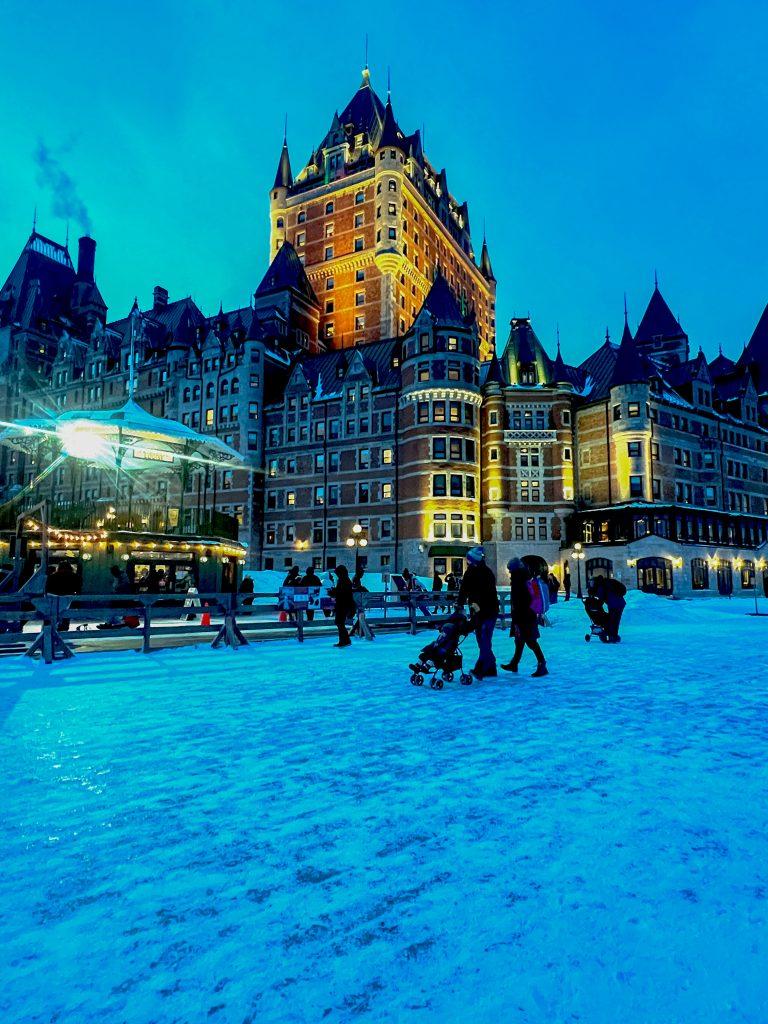
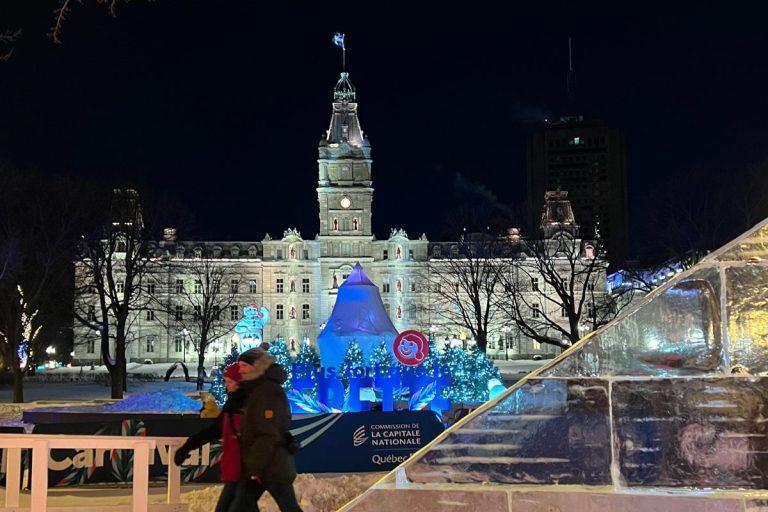
Quebec City Travel Guide
European charm without the jet lag. Experience cobblestone streets, French culture, and winter magic just a short flight away.
Fairmont Le Château Frontenac Review
Stay in the world’s most photographed hotel. Is this iconic Quebec City landmark worth the splurge? My honest review.
20 Hours in Montreal
Add a luxury stopover to your winter trip. Make the most of a short Montreal visit with this packed itinerary.
Where to Stay in Montreal
Find your perfect winter home base. From Old Montreal charm to modern luxury, here’s where to stay for every budget.
Resource List
? To learn more about Christmas Markets, read: The sordid history of Germany’s Christmas Markets
? Subscribe to my newsletter for exclusive European travel guides, budget tips, and honest solo travel advice.
? New to solo travel? My Ultimate Solo Travel Guide covers everything from planning your first trip to navigating cultural expectations.
? Dealing with cultural pressure about traveling alone? Why Latinas Should Never Solo Travel tackles the myths and realities we face (with humor).
? Want to travel more affordably? My Beginner’s Guide to Travel Hacking shows you how to earn points and miles for free flights and hotels.



 ES
ES